Sponsored Educational Content

You Expected Memory Lapses After 50 — What Nobody Mentioned Is the Honey Sitting in Your Own Kitchen

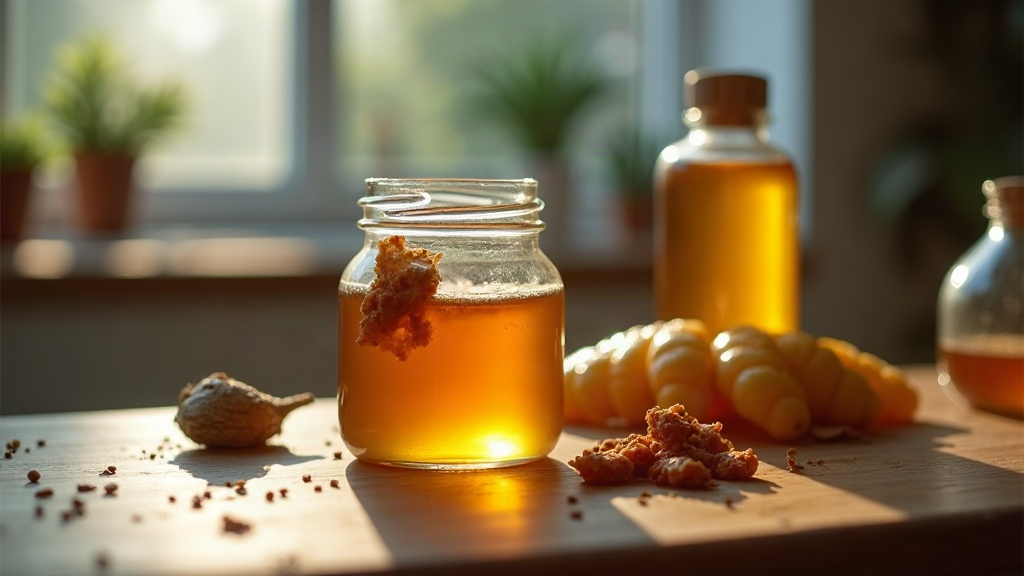
Most people brace for forgetfulness as an inevitable part of aging. Few ever hear how something as ordinary as raw honey fits into centuries-old routines built around focus and mental clarity. This video walks through the overlooked backstory.

Memory & Focus 50+  ·  Educational Only  ·  No Diagnosis · No Cure Claims  ·  Traditional Practices Explained

Why Memory Shifts After 50: What's Actually Going On

Before jumping to conclusions, it helps to understand what’s happening beneath the surface. Here’s what researchers and educators commonly point to.

The Expectation vs. The Reality

Many assume forgetting keys or names means something is seriously wrong. In reality, mild shifts in recall are a documented part of the aging brain — and honey has long been part of traditional routines people used alongside these changes.

Sleep Quality Changes Quietly

Deep sleep stages tend to shorten with age, and that alone can affect how well the brain consolidates memories overnight.

Everyday Stress Adds Up

Chronic low-grade stress keeps the body in a heightened state, which can make concentration and recall feel more effortful than before.

Nutrition Habits Shift With Age

Appetite and eating patterns often change after 50, sometimes leading to gaps in the nutrients that support everyday cognitive function.

Myths vs. Facts: Sorting Out What's True

Cognitive aging comes with plenty of folklore. Here’s a side-by-side look at some common claims.

MYTH

Forgetting things occasionally means early decline is starting.

FACT

Occasional lapses are common and widely studied as a normal part of aging, not a diagnosis on their own.

MYTH

Once memory habits form, nothing can be adjusted.

FACT

Educators note that daily routines, sleep, and lifestyle habits are frequently discussed as areas people choose to focus on.

MYTH

Natural ingredients like honey are just old wives’ tales.

FACT

Honey has a documented place in traditional wellness practices across many cultures, studied for its historical role rather than as a cure.

A Simple Framework Worth Understanding

This isn’t a treatment protocol — it’s an educational breakdown of how traditional routines are typically structured.

01

Step One: Learn the Pattern

Understand how daily rituals involving natural ingredients were historically woven into evening or morning routines.

02

Step Two: Observe the Context

See how these routines were paired with rest, hydration, and consistency rather than treated as a single fix.

03

Step Three: Decide What Fits Your Life

Consider whether any part of this traditional approach makes sense for your own routine — always alongside guidance from a healthcare professional.

Where This Tradition Actually Comes From

Long before modern supplements existed, honey held a notable place in traditional practices across Mediterranean, Middle Eastern, and Asian cultures. It was often paired with herbs, warm water, or spices as part of daily rituals — not as medicine, but as a staple ingredient woven into everyday life. Historians and food researchers have documented these practices for generations.

The insight isn’t that honey is a hidden cure — it’s that many cultures built simple, repeatable rituals around it long before anyone talked about ‘brain health’ as a category.

Signs Worth Paying Closer Attention To

Losing Track Mid-Sentence

Occasionally forgetting a word is normal, but frequently losing your train of thought may be worth discussing with a doctor.

Misplacing Items More Often

Everyone misplaces things sometimes, but a noticeable increase in frequency is a pattern to keep an eye on.

Struggling With Familiar Tasks

Difficulty following a recipe or routine you've done for years is a signal that deserves attention, not panic.

Trouble Following Conversations

If keeping up with group conversations feels newly exhausting, it's worth mentioning at your next checkup.

Getting Disoriented in Familiar Places

Feeling briefly lost somewhere you know well is a sign professionals recommend not ignoring.

Withdrawing From Social Activities

Avoiding gatherings because keeping up feels harder can be an early social signal worth discussing.

What People Are Saying

I had no idea honey had this kind of history tied to daily routines. The video was genuinely educational — it didn't try to sell me a miracle.

Margaret H.
Illustrative account
What stood out to me was the historical angle. It made me curious enough to look into my own evening habits.
Robert D.
Illustrative account
I appreciated that it wasn't full of exaggerated promises. It just laid out the tradition and let me decide what to do with it.
Linda F.
Illustrative account

Testimonials reflect individual opinions and experiences. They are not a guarantee of any outcome, and individual results vary.

Frequently Asked Questions

No. The video is educational and discusses the historical and traditional role of honey in daily routines. It does not diagnose, treat, cure, or prevent any condition.

No. This is educational content designed to inform, not to replace advice from a licensed healthcare professional.

It’s aimed at adults 50 and older who are curious about traditional wellness practices and cognitive aging in general.

The video may reference resources or offers, but no specific product is named on this page.

It’s a short, free video designed to be watched in one sitting.

No. Watching the video is free with no purchase required.

Yes, always. Any changes to diet, supplements, or daily habits should be discussed with a qualified healthcare professional first.

Curious How Honey Fits Into Traditional Memory Routines?

Watch the free educational video and see the historical context for yourself — no pressure, no obligation.

Advertising Disclosure: This page contains sponsored content and affiliate links. We may receive compensation if you click a link or make a purchase through this page. This does not affect the price you pay and helps support the free content we provide.

Content Disclaimer: This content is for educational and informational purposes only. It has not been evaluated by the FDA. Nothing on this page is intended to diagnose, treat, cure, or prevent any disease or condition. Always consult a qualified healthcare professional before making changes to your diet, supplement routine, or lifestyle.

Results Disclaimer: Individual results vary. Testimonials and opinions shared on this page reflect personal experiences and are not a guarantee of any specific outcome. Your experience may differ.

© 2026 · All Rights Reserved · /contact/